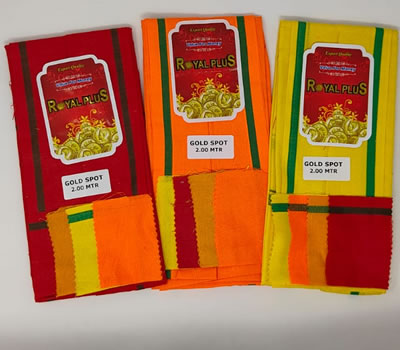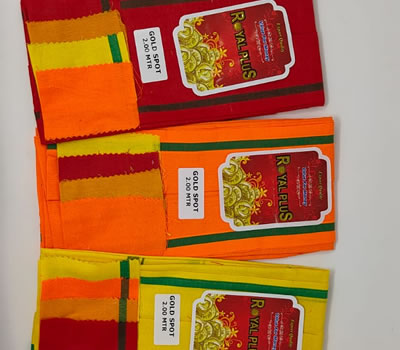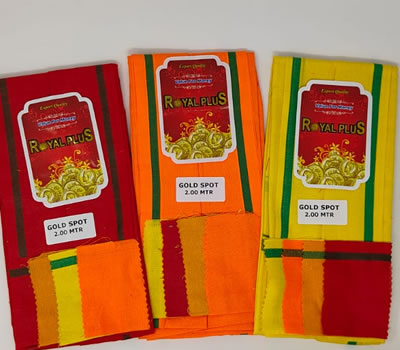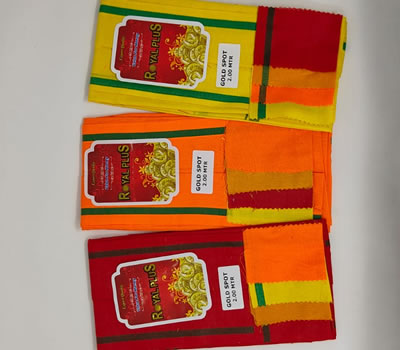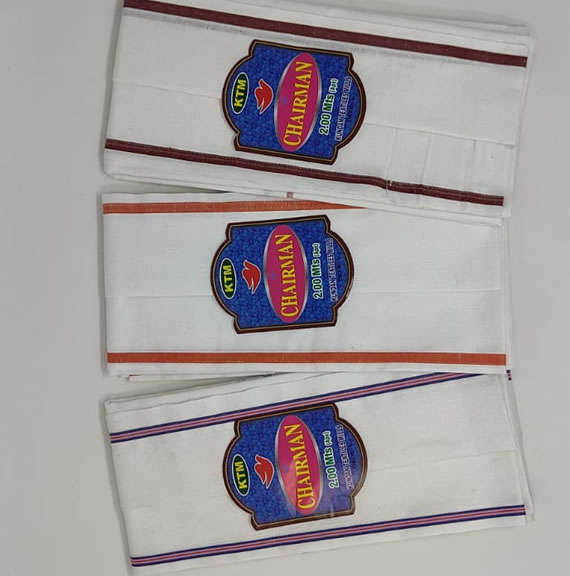
Cotton Gamcha

Cotton Gamcha

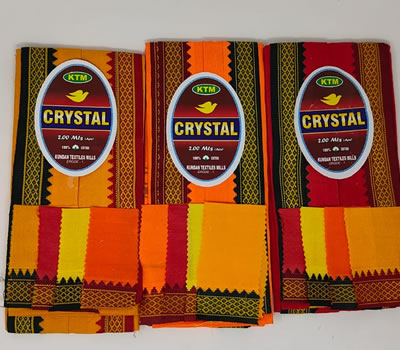
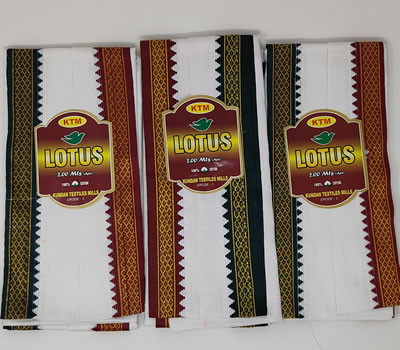
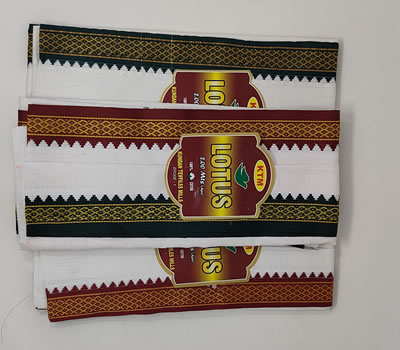
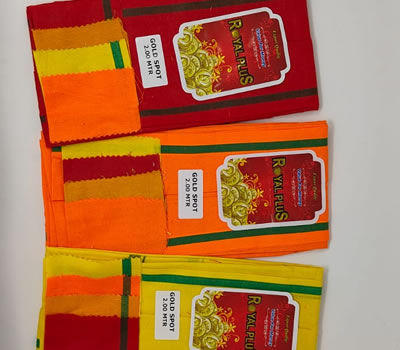
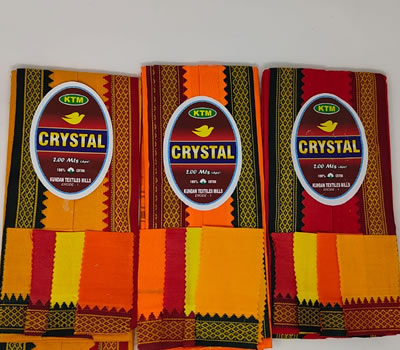
Gamcha-inspired cover designs are making a hit among those who want to have some ethnic appeal in their spaces. They offer an aesthetic that is traditional yet modern, which makes them popular especially with the millennials due to their Indian roots and check of vibrant patterns. You will find various gamcha pattern covers including checkered, Indian-inspired, and bohemian covers which can give any room a pop of color. Kundan Textile Mills is the place to go if you need high quality cotton covers with gamcha designs.

Repurposing these traditional fabrics as makeshift covers is one of the most versatile and creative approaches. Whether you want a gamcha for your book’s cover or as a picnic mat or even as a car seat cover, there is no end to what you can use them for. In addition, DIY projects using gamchas are typically not only fun but also allow an individual to put some cultural touch on his/her belongings. Nowadays, many stores sell ready-made products featuring gamcha patterns hence it is easier to adopt this fashion in our lives.

Choosing the right materials when creating custom made covers with gamcha designs is essential. Cotton is perfect for this purpose because it lasts long, breathes well and easy to work with. For instance, if you are interested in a tailor-made cover, you may buy gamcha fabric from reliable vendors such as Kundan Textile Mills so that you get genuine textiles of high quality. Alternatively, incorporating these fabrics into your home by using them on cushion covers and table runners or hanging them on walls gives your living spaces more vibrant look reflecting ethnicity of India.

The paper explicates methods through which people can convert customary dresses of Bangladesh Gamcha Design into artistic dress forms without altering its originality in terms of customization.The article seeks to provide knowledge about how Bangladeshi traditional garments like Gamchas could be modified differently without losing their originality particularly through customization.
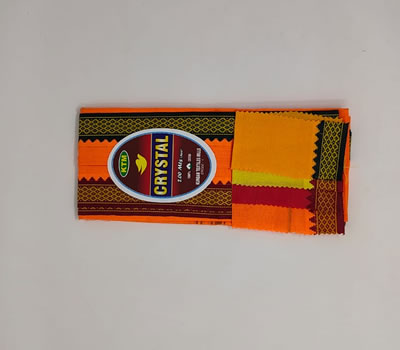
Material and Weaving

  • Fabric: Typically, the gamcha is constructed with 100% cotton which makes it light, breathable, and soft to touch. Cotton has good absorbent properties that make the gamcha ideal for use as a towel.
  • Weaving: Gamchas are generally hand woven in vivid colours and designs using traditional looms. The weaving process includes interlacing of cotton threads that results in a loose and airy fabric. Though the weave is largely simple but masterly done artisans can also carry out intricate patterns.

Size and Shape

  • Dimensions: A standard cotton gamcha is rectangular-shaped measuring between 60 cm x 150 cm to 100 cm x 200 cm. Depending on the region or purpose, sizes vary.
  • Edges: To avoid fraying, the edges of a gamcha are usually hemmed or just stitched simply. Some have fringed or tasseled ends too.

Size and Shape

  • Dimensions: A standard cotton gamcha is rectangular-shaped measuring between 60 cm x 150 cm to 100 cm x 200 cm. Depending on the region or purpose, sizes vary.
  • Edges: To avoid fraying, the edges of a gamcha are usually hemmed or just stitched simply. Some have fringed or tasseled ends too.

Designs and Patterns

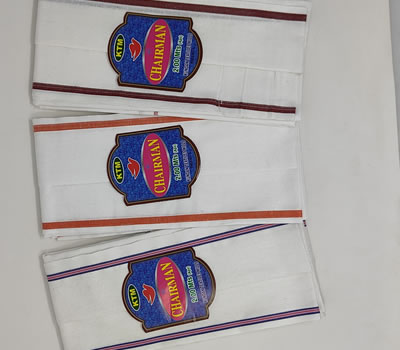
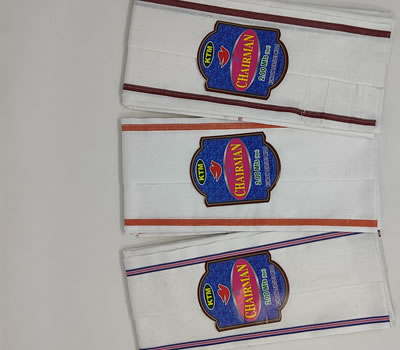
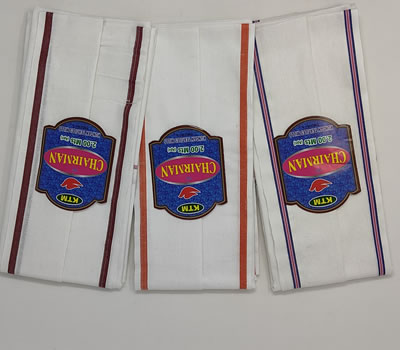
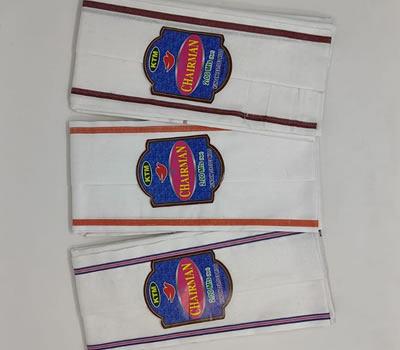
  • Colors: Bright colors characterize Gamchas. The common ones are red, blue, green, yellow, white among others. These colors are often displayed in stripes or checkered patterns.
  • Patterns: Traditional Gamchas come with checkered or striped designs mostly in smaller checks and sometimes in squares of large or tiny flowers or geometrical shapes.

Cultural Significance:

  • Versatility: In many places, it serves as an essential item for everyday use. It works as a towel, turban (headscarf), makeshift bag or even defense against sunburn.
  • Symbolism: In some cultures; however gamchas bear symbolic significance. It symbolizes humbleness and modesty commonly worn by laborers peasants who engage more in physical activity than mental work during their daily activities.
  • Gifts: Occasionally people give away Gamchas during festivals versus other occasion markers as well as signs of honor such as respect and goodwill specifically found in selected parts of India .

Uses:

  • Towel: Primarily it is used as a towel. It absorbs water because it’s made of cotton which is famous for being a good material in drying the body after taking a shower or washing the hands.
  • Headgear: Men in rural areas also use the gamcha as a turban or headscarf to protect themselves from extreme sunlight.
  • Scarf or Shawl: It can be used as a light scarf during colder climates, like winter, or simply as a fashion item.
  • Loincloth: In some regions, especially by peasants and farmers when working on the farm, it is worn like a loin cloth.
  • Multipurpose Cloth: Gamchas are sometimes used as makeshift slings, food covers, and even curtains/dividers at home.

Maintenance

  • Care: Cotton gamchas are really easy to take care of. They should be hand washed using mild detergent. Since they are lightweight, they dry fast making them suitable for everyday purposes.
  • Durability: A well-made gamcha despite its thinness lasts long when properly kept and cared for.

Modern Adaptations

  • Fashionable Wear: The gamcha has become popular with those who want to make a fashion statement recently. The designers have begun incorporating fabrics made from gamcha into their clothes as well as other accessories and home decor items
  • Eco Friendly: With increased environmental consciousness worldover concerning sustainability; more people prefer using cotton towels nowadays.

The cotton gamcha is not just a piece of cloth but a versatile, culturally significant item with deep roots in the daily lives of millions across South Asia.

Sizes of Cotton Gamchas (Traditional Indian towels)

Size Length (cm) Width (cm) Use
Small 100 - 120 60 - 70 Face towel or head wrap
Medium 150 - 180 70 - 90 Hand towel or small body wrap
Large 200 - 220 90 - 100 Full body towel or shawl
Extra Large 250 - 270 100 - 120 Blanket or larger body wrap

This table gives an idea of the common sizes for cotton gamchas, but sizes can vary depending on regional preferences or manufacturers.